Repair or Renovate? How to Approach an Aging Home

As a home gets older, homeowners may eventually face an important question: should a particular area be repaired, restored, or included in a larger renovation? There is no universal answer. Every property has different conditions and every homeowner has different goals. Understanding the distinction between focused repair, restoration, and broader remodeling can help you organize your priorities before requesting professional project guidance. Start With the Current Condition Before thinking about design, assess the existing property. Walk through each room and document areas that appear worn, damaged, outdated, or difficult to use. Consider creating three lists: These categories can help separate necessary work from optional improvements. When a Focused Repair May Be Appropriate If a concern is isolated to one specific area while surrounding spaces remain in good condition, a targeted repair may be worth discussing. The key is understanding whether the issue is genuinely limited or part of a broader pattern of deterioration. Avoid assuming that a visible issue tells the complete story. When the condition is uncertain, appropriate professional evaluation may be needed. When Restoration Becomes Relevant Restoration focuses on addressing damaged or aging residential property. This is one of Craftline Home’s five core services. If several components of an area have deteriorated or the space requires more substantial renewal, restoration may be more appropriate than treating each visible concern as an unrelated cosmetic issue. The exact approach depends on the property and project scope. When Renovation May Make More Sense Renovation becomes relevant when homeowners want broader changes to functionality, appearance, or multiple parts of a living space. For example, a kitchen with aging finishes may also have cabinetry, countertops, or installations that no longer suit the household. Instead of addressing one element at a time, homeowners may choose to consider the room as a complete remodeling project. The same principle applies to bathrooms and other interior spaces. Look at Multiple Interior Areas Together An aging property may have several rooms that require attention. Craftline Home’s interior renovation service includes flooring, drywall, painting, trim, and other interior improvements. If these elements are worn throughout multiple areas, approaching them as part of a coordinated interior renovation may create a clearer project scope. Consider Whole-Home Renovation Sometimes the improvements extend beyond one or two rooms. Whole-home renovation is intended for broader residential remodeling and home transformation. This type of project may be relevant when homeowners want to address several areas and create greater consistency throughout the property. It also allows different remodeling decisions to be considered together rather than as completely separate projects. Prioritize Necessary Work When creating a renovation wish list, place condition-related concerns near the top. Damaged or aging areas may need attention before purely decorative changes. After necessary work is identified, functional and aesthetic goals can be organized around it. This creates a more structured project plan. Think About Long-Term Use Ask how you expect to use the home in the coming years. Do current rooms support your household’s routines? Is storage adequate? Are kitchens and bathrooms practical? Do interior spaces feel connected? These questions can help determine whether you simply want to repair existing features or make broader changes to the home. Request a Custom Quote Craftline Home provides custom quotes for its renovation and restoration services rather than fixed online prices. The quote request process is designed to collect necessary contact, address, and project information so the individual project can be considered. Submitting the form does not constitute an online purchase, and no payment is collected through it. Ask About Scope and Timeline Before moving forward, understand what the proposed service includes. The Craftline Home brief requires service information to cover the process, what is included, and an estimated timeline. Because project requirements vary, homeowners should avoid assuming that one renovation timeline applies universally. Make the Decision Based on Your Property The decision between repair, restoration, and renovation should begin with the actual condition of your home. A focused concern may require targeted attention. Aging or damaged residential areas may call for restoration. A room that needs broader functional and visual improvements may benefit from remodeling. Multiple spaces requiring coordinated changes may lead to an interior or whole-home renovation. Craftline Home’s services are structured around these different residential needs, with an emphasis on personalized solutions, quality craftsmanship, clear communication, and lasting value.
Essential Home Maintenance Areas Every Homeowner Should Check
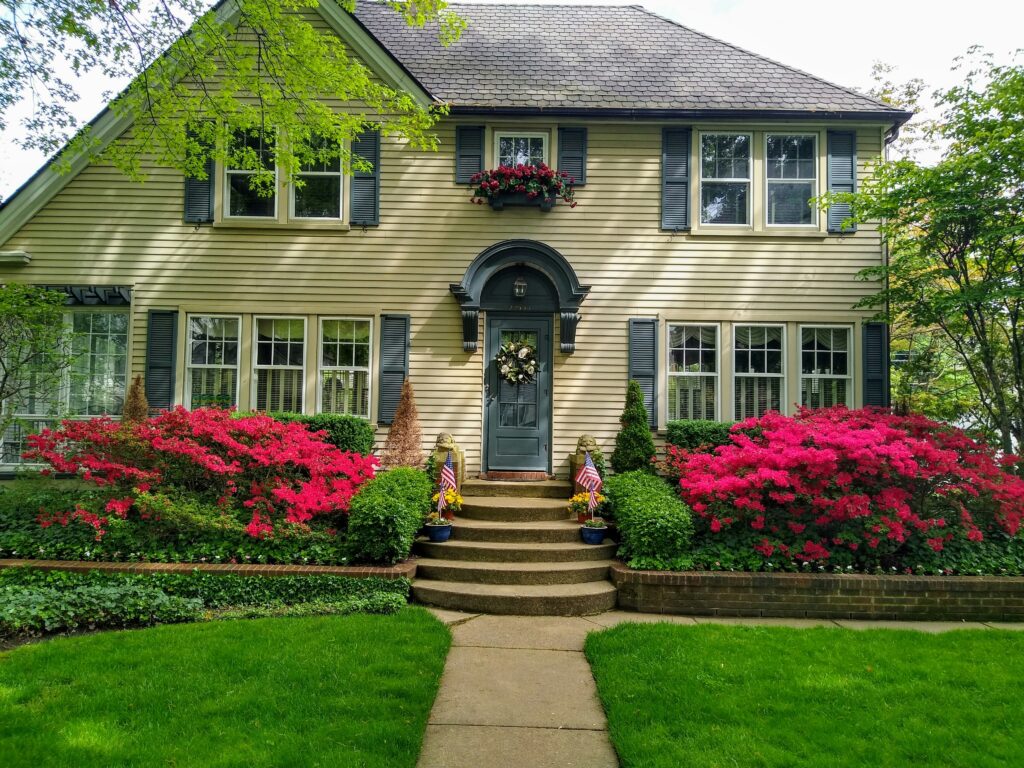
Homes naturally experience wear over time. Interior surfaces, finishes, walls, flooring, and frequently used spaces can all eventually require attention. Regularly reviewing the condition of your property can help you understand which areas need simple maintenance, which may benefit from renovation, and which require repair or restoration. Start With a Room-by-Room Review Walk through your property periodically and observe each room carefully. Look beyond decoration. Consider the physical condition of walls, flooring, trim, surfaces, cabinetry, fixtures, and other visible components. Making notes can help you track areas that change over time. Check Interior Walls Walls can influence the overall condition and appearance of a room. Look for damaged drywall, worn surfaces, areas requiring repainting, and sections where finishing work may be needed. Craftline Home’s interior renovation services include drywall and painting, making these areas relevant when considering broader interior improvements. Review Flooring Flooring experiences daily use and can gradually show wear. Walk through high-traffic spaces and observe the condition of the surfaces. Look for areas that appear particularly worn, damaged, or inconsistent with surrounding rooms. When flooring improvements are needed, consider how new materials would connect visually with the rest of the interior. Inspect Trim and Finishing Details Trim may seem like a small detail, but it contributes significantly to the finished appearance of an interior. Review baseboards and other trim for visible wear or damage. When several rooms require attention, updating these details as part of a broader interior renovation can help create greater consistency. Evaluate the Kitchen Because kitchens are used frequently, they deserve regular attention. Review cabinetry, countertops, finishes, and visible installation areas. Consider both their physical condition and how well they continue to support everyday use. If the room no longer functions effectively, the solution may involve more than maintenance and could lead to a kitchen remodeling discussion. Review Bathrooms Bathrooms should also be evaluated periodically. Look at fixtures, finishes, surfaces, storage areas, and other visible components. Consider whether the space remains functional and whether aging features require improvement. When multiple areas need updating, a bathroom renovation may provide a more comprehensive solution. Look for Aging Interior Areas Some parts of a home simply show the effects of age. Older finishes, damaged areas, and worn surfaces may eventually require more extensive attention than routine maintenance. Craftline Home provides home restoration services specifically for damaged or aging residential properties. If you identify areas of concern, include them when discussing a potential restoration project. Consider Whether Individual Repairs Are Becoming a Larger Project One small improvement may be easy to address independently. However, several aging or damaged areas throughout a property may indicate the need for a broader renovation plan. For example, worn flooring, damaged drywall, outdated paint, and aging trim across multiple rooms could potentially be considered together as an interior renovation. Looking at the home as a whole can make planning more organized. Keep Maintenance and Design Connected Maintenance decisions can also affect the appearance of your home. If a surface needs replacement or an interior area requires repair, consider whether the new finish should coordinate with nearby spaces. This can prevent necessary maintenance from creating visual inconsistencies. Know When to Discuss Professional Renovation Routine homeowner maintenance and professional renovation are not the same thing. When improvements involve multiple areas, significant restoration, or broader remodeling goals, discussing the project with a renovation professional can help clarify the potential scope. Craftline Home offers whole-home renovation, kitchen remodeling, bathroom remodeling, interior renovation, and home restoration services. Keep Your Home’s Condition in View Regular observation is one of the simplest ways to understand how your property is changing. Pay attention to walls, flooring, trim, kitchens, bathrooms, and aging areas. Keep a record of concerns and distinguish between minor maintenance and larger improvements.
Bathroom Remodeling Tips for Comfort, Style, and Function
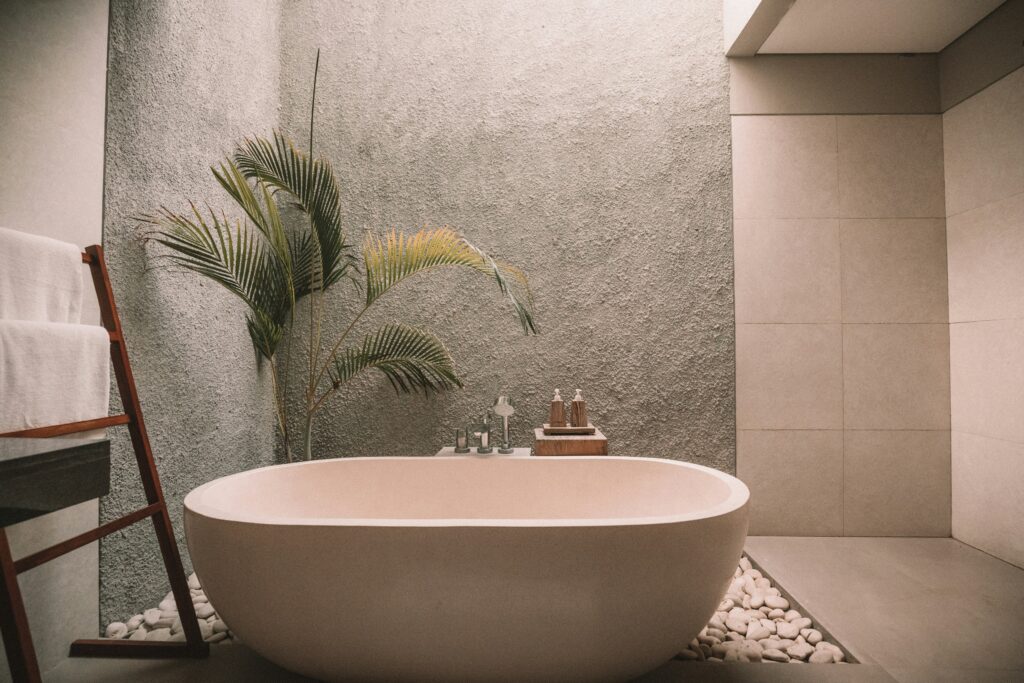
Bathrooms are highly practical spaces, but that does not mean design should be overlooked. A successful bathroom renovation can bring together updated fixtures, attractive finishes, improved functionality, and a more comfortable everyday experience. Craftline Home provides bathroom remodeling focused on modern upgrades with premium fixtures and finishes. Before beginning a project, consider how every element contributes to the room as a whole. Identify What Needs Improvement Start by making a list of concerns with the existing bathroom. Perhaps the finishes appear outdated, storage is limited, fixtures need attention, or the room simply no longer meets your household’s needs. Separating practical problems from visual preferences makes it easier to determine the renovation priorities. Think About Function First Bathrooms often contain several important functions within a relatively small area. Movement, storage, surfaces, fixtures, and everyday routines should all be considered during planning. Ask how the room is used in the morning, evening, and throughout the day. This can reveal where improvements would make the greatest difference. Review Existing Fixtures Fixtures have a major influence on both functionality and appearance. Craftline Home’s bathroom remodeling service specifically includes modern upgrades with premium fixtures and finishes. When planning updates, consider how individual fixtures relate to one another and whether they support the way the room needs to function. Select Coordinated Finishes Bathrooms can include several surface materials in close proximity. Rather than choosing each finish separately, consider the overall visual direction. A coordinated approach to surfaces, fixtures, walls, and other visible details can make the bathroom feel intentional and cohesive. Consider Storage Storage can strongly affect how organized a bathroom feels. Consider which items need to remain easily accessible and which can be stored away. Planning storage around everyday routines can reduce clutter while keeping the room practical. Connect the Bathroom With the Rest of the Home A bathroom can have its own character while still complementing surrounding spaces. Think about the home’s broader interior style when selecting finishes and design details. This is particularly useful when bathroom remodeling is part of a larger interior or whole-home renovation. Address Aging or Damaged Areas Some bathrooms require more than visual modernization. If areas are worn, damaged, or aging, those concerns should be included in the project discussion. Craftline Home also provides home restoration services for damaged or aging residential properties. Addressing the actual condition of the space is an important part of responsible renovation planning. Understand the Project Scope Bathroom remodeling can range from targeted improvements to broader transformations. The project’s scope influences the work involved and estimated timeline. Craftline Home’s service structure requires custom quotes rather than fixed online pricing. Service detail information is also expected to explain what is included, the process overview, and estimated timeline. Make Choices for Your Household Design inspiration is useful, but your bathroom should ultimately meet your own needs. Consider who uses the room, how frequently it is used, what storage is required, and which improvements matter most to your household. These considerations help turn a general remodeling idea into a personalized renovation plan. Create a More Enjoyable Everyday Space Bathroom remodeling is most effective when appearance and functionality are planned together. By assessing the existing room, establishing practical priorities, coordinating fixtures and finishes, considering storage, and addressing aging areas, homeowners can develop a clearer vision for their renovation.
Kitchen Remodeling Ideas for a More Functional Home
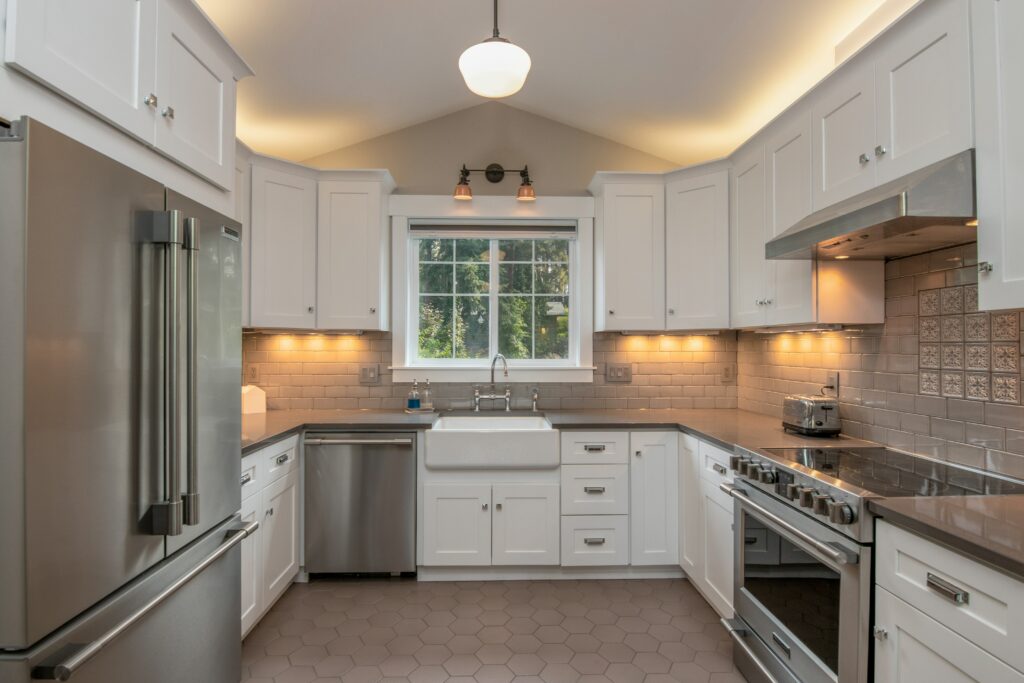
A kitchen renovation is about more than changing cabinets or selecting new countertops. Because kitchens support cooking, storage, preparation, gathering, and everyday household routines, each improvement should contribute to the way the entire space functions. Craftline Home provides custom kitchen renovations that can include cabinetry, countertops, finishes, and installations. When planning your own project, consider how these different elements can work together. Begin With the Existing Kitchen Before deciding what to change, evaluate what currently works. Think about your everyday experience in the room. Are preparation areas convenient? Is there enough storage? Do frequently used items have logical locations? Does movement through the kitchen feel natural? Understanding the current problems gives the renovation a practical purpose. Review the Layout The layout influences nearly every activity in a kitchen. Consider the relationship between preparation areas, cabinetry, appliances, storage, and surrounding spaces. A layout does not necessarily need to be completely changed to become more functional. Sometimes carefully planned updates can make an existing arrangement work better. The appropriate approach depends on the individual kitchen. Plan Cabinetry Around Storage Needs Cabinetry has both functional and visual importance. Before selecting a style, consider what needs to be stored. Cookware, dishes, food, small appliances, cleaning products, and other household items all require appropriate space. Storage should reflect how the kitchen is actually used. After practical requirements are established, cabinetry finishes can be selected to complement the broader design direction. Give Countertops Careful Consideration Countertops provide essential work surfaces while also contributing strongly to the room’s appearance. Think about where you prepare food, place frequently used appliances, and perform other everyday tasks. Material and finish choices should work alongside cabinetry, surrounding finishes, and the overall character you want for the room. Coordinate Finishes A kitchen contains many visible elements within a relatively concentrated space. Cabinetry, countertops, walls, flooring, fixtures, and other finishes should therefore be considered together. Rather than choosing every item independently, establish a general visual direction first. This can make individual selections easier and help the finished kitchen feel more cohesive. Think Beyond the Kitchen Many kitchens connect directly to dining or living areas. When this is the case, renovation choices should consider surrounding rooms. Flooring, wall colors, trim, and other finishes can help create a smoother visual transition. This becomes especially important when kitchen remodeling forms part of a larger interior or whole-home renovation. Include Installation in Your Planning A successful kitchen remodel involves more than selecting products. The Craftline Home brief specifically includes installations within its kitchen remodeling service. This reinforces the importance of thinking about the entire renovation process rather than treating design selections and implementation as unrelated stages. Discuss the planned scope clearly before work begins. Avoid Choosing Based Only on Trends Current design ideas can provide useful inspiration, but your kitchen should ultimately work for your household. Consider how long-term needs, existing architecture, everyday routines, and personal preferences influence the project. A design that suits your home is more meaningful than one based entirely on what happens to be popular at the moment. Request a Project-Specific Quote Kitchen renovations vary significantly in scope. For that reason, Craftline Home does not list a fixed purchase price for kitchen remodeling. The service uses custom quotes based on project requirements. The online quote form is a lead-generation form rather than a checkout. No payment is collected when submitting a request. Build the Kitchen Around Everyday Life The strongest kitchen remodeling plans balance appearance with practicality. Begin with the existing room, identify problems, establish storage needs, consider cabinetry and countertops together, coordinate finishes, and think about how the kitchen relates to nearby spaces.
Planning a Whole-Home Renovation: Where Should You Start?
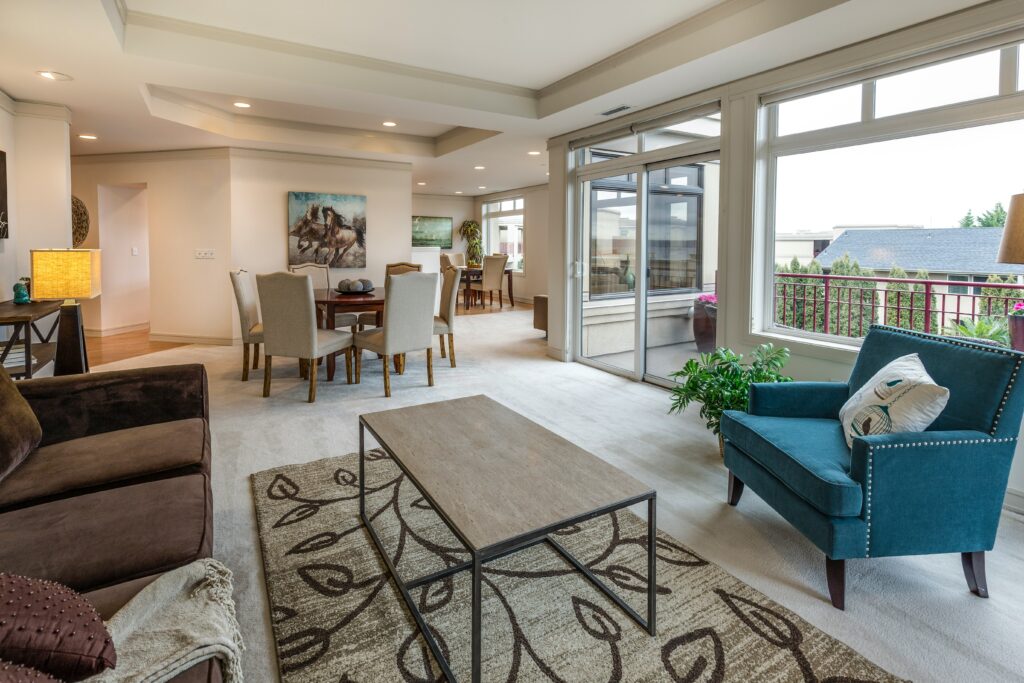
A whole-home renovation can involve numerous decisions, from interior finishes and room functionality to kitchens, bathrooms, flooring, painting, and restoration work. With so many possibilities, knowing where to begin can make the planning process much clearer. Rather than choosing finishes immediately, start by understanding what you want the renovation to accomplish. Evaluate Your Current Home Walk through the property and consider each room individually. Ask yourself which spaces work well, which need improvement, and which contain damage or aging materials requiring attention. Create notes under three broad categories: This gives you a clearer picture of the project’s potential scope. Identify Your Main Priorities Not every improvement needs to have the same priority. For example, repairing a damaged area may be more important than repainting a room that is otherwise in good condition. Similarly, improving an inefficient kitchen layout may be more important to your household than updating a less frequently used room. Prioritization helps transform a long wish list into a more organized renovation plan. Think About How You Use Your Home Good remodeling decisions should reflect everyday life. Consider where household members spend the most time, where storage becomes difficult, which rooms feel crowded, and which areas are rarely used. Your answers may reveal opportunities that are not immediately obvious from appearance alone. A renovation should ultimately help the home work better for the people living in it. Review the Kitchen Kitchen remodeling is one of the primary services offered by Craftline Home and may include cabinetry, countertops, installations, and other customized improvements. When reviewing your existing kitchen, consider: Instead of focusing on one feature, think about how these elements work together. Assess Your Bathrooms Bathrooms should also be evaluated for both functionality and appearance. Consider the condition of existing fixtures and finishes, available storage, surfaces, and the overall usability of the space. A modern bathroom renovation can address multiple areas together rather than treating every feature as an isolated improvement. Examine Interior Finishes Whole-home renovation may also include flooring, drywall, painting, trim, and other interior improvements. These elements have an important role because they visually connect rooms. Look for worn flooring, damaged walls, inconsistent trim, outdated paint, and areas where finishes no longer work well together. Updating these details can create greater continuity throughout the property. Identify Areas Requiring Restoration Older or damaged properties may contain spaces that need restoration before other improvements are made. Craftline Home specifically provides repair and restoration services for damaged or aging residential properties. Document visible problem areas and include them when discussing the project. A professional project review can then determine how those concerns relate to the broader renovation. Develop a Consistent Direction A whole-home renovation does not mean every room must look identical. However, establishing a general direction can prevent the property from feeling disconnected. Consider recurring elements such as: A consistent foundation allows individual rooms to have personality while still feeling like parts of the same home. Discuss the Project Scope Once your priorities are organized, the next step is discussing the scope of work. Craftline Home uses a custom quote process because residential renovations are not fixed-price products. The project’s individual requirements determine the appropriate quote. The website’s quote-request process is intended to collect necessary information such as contact details, project details, and property information. No payment is collected through the quote request form. Ask About the Estimated Timeline Project duration varies according to the work involved. The Craftline Home developer brief specifically requires service-detail pages to provide estimated timeline information rather than making one universal timeline claim for every project. When discussing your renovation, ask how the planned scope may affect scheduling and project stages. Prepare for the Transformation Whole-home renovation becomes easier to understand when it is broken into manageable decisions. Start with the property’s current condition. Identify repairs, determine functional priorities, consider design improvements, and establish how the different areas should work together. Craftline Home’s mission is centered on quality craftsmanship, lasting value, personalized solutions, clear communication, and a seamless customer experience.
10 Home Remodeling Ideas to Transform Your Living Space
Home remodeling is an opportunity to create a living environment that better reflects the way you use your home. Whether you are considering a few focused interior improvements or planning a whole-home renovation, thoughtful decisions can improve comfort, functionality, and the overall appearance of your space. At Craftline Home, residential remodeling includes everything from complete home transformations to kitchen, bathroom, flooring, drywall, painting, and trim improvements. Before beginning a project, it helps to identify which changes will have the greatest impact on your everyday experience. 1. Create a More Functional Floor Plan A home may have plenty of space but still feel difficult to use because of its layout. Remodeling provides an opportunity to reconsider how rooms connect and how people move through the property. Consider whether certain spaces feel isolated, crowded, or underused. Improving the relationship between kitchens, dining areas, living rooms, and other shared spaces can make the home feel more practical. A successful layout should be based on your household’s needs rather than simply following a design trend. 2. Give Your Kitchen a Fresh Start The kitchen is often one of the most active areas of a home. A renovation can improve both its appearance and everyday functionality. Kitchen remodeling may involve cabinetry, countertops, installations, finishes, and other customized improvements. When planning the space, think about storage, preparation areas, frequently used appliances, movement between work zones, and how the kitchen connects with surrounding rooms. Choosing finishes is important, but functionality should remain part of every design decision. 3. Modernize the Bathroom Bathrooms combine practical requirements with opportunities for thoughtful design. An outdated bathroom may benefit from updated fixtures, refreshed finishes, improved surfaces, better storage, or a more practical arrangement. Start by identifying what does not work well in the current bathroom. Perhaps storage is limited, fixtures need updating, or the overall appearance no longer complements the rest of the home. These priorities can help guide the renovation. 4. Refresh Flooring Throughout the Home Flooring has a major visual presence in an interior. Changing worn or outdated flooring can give several rooms an immediate sense of renewal. When selecting flooring, consider more than appearance. Different areas of the home experience different levels of traffic, moisture, and everyday use. Using complementary flooring throughout connected areas can also create a more cohesive appearance. 5. Update Interior Walls and Finishes Not every transformation requires major structural changes. Drywall improvements, painting, trim, and other finishing work can significantly refresh an interior. These details establish the backdrop for furniture, lighting, artwork, and decorative elements. A consistent approach to wall finishes and trim can also help different rooms feel connected. 6. Improve Storage Storage needs can change as households and lifestyles evolve. During renovation planning, look for opportunities to improve cabinetry, closets, shelving, and other storage areas. The goal is to give frequently used belongings practical locations without making rooms feel crowded. In kitchens and bathrooms especially, carefully planned storage can make daily routines easier. 7. Create Consistency Between Rooms Homes sometimes develop an inconsistent appearance after years of individual updates. One room may have modern finishes while another reflects a much older style. A broader interior renovation offers the opportunity to create stronger visual continuity. Repeating selected materials, trim styles, flooring choices, or complementary colors can help create a more unified home. 8. Restore Aging Areas Instead of Ignoring Them Some properties need more than cosmetic updates. Damaged or aging residential areas may require repair and restoration before decorative improvements make sense. Craftline Home’s services include restoration work for damaged or aging residential properties. Identifying these areas early can help homeowners establish sensible renovation priorities. 9. Focus on Everyday Comfort A beautiful home should also support everyday living. Think about the activities that take place in each room and the problems you experience with the current space. A remodeling project can then address specific needs rather than making changes solely for appearance. Practical improvements can be incorporated alongside updated finishes to create spaces that feel both attractive and comfortable. 10. Consider the Home as a Complete Space Even when renovating one room at a time, consider how each decision relates to the rest of the property. A kitchen renovation, for example, may influence flooring, paint, trim, or finishes in an adjoining dining area. Thinking ahead can help individual improvements contribute to a more cohesive overall result. Start With a Clear Remodeling Plan Before beginning a renovation, define what you want to improve and why. Separate essential repairs from functional improvements and visual preferences. Craftline Home provides whole-home renovation, kitchen remodeling, bathroom remodeling, interior renovation, and home restoration services. Because every property and project is different, services are provided through custom quotes rather than fixed online pricing.